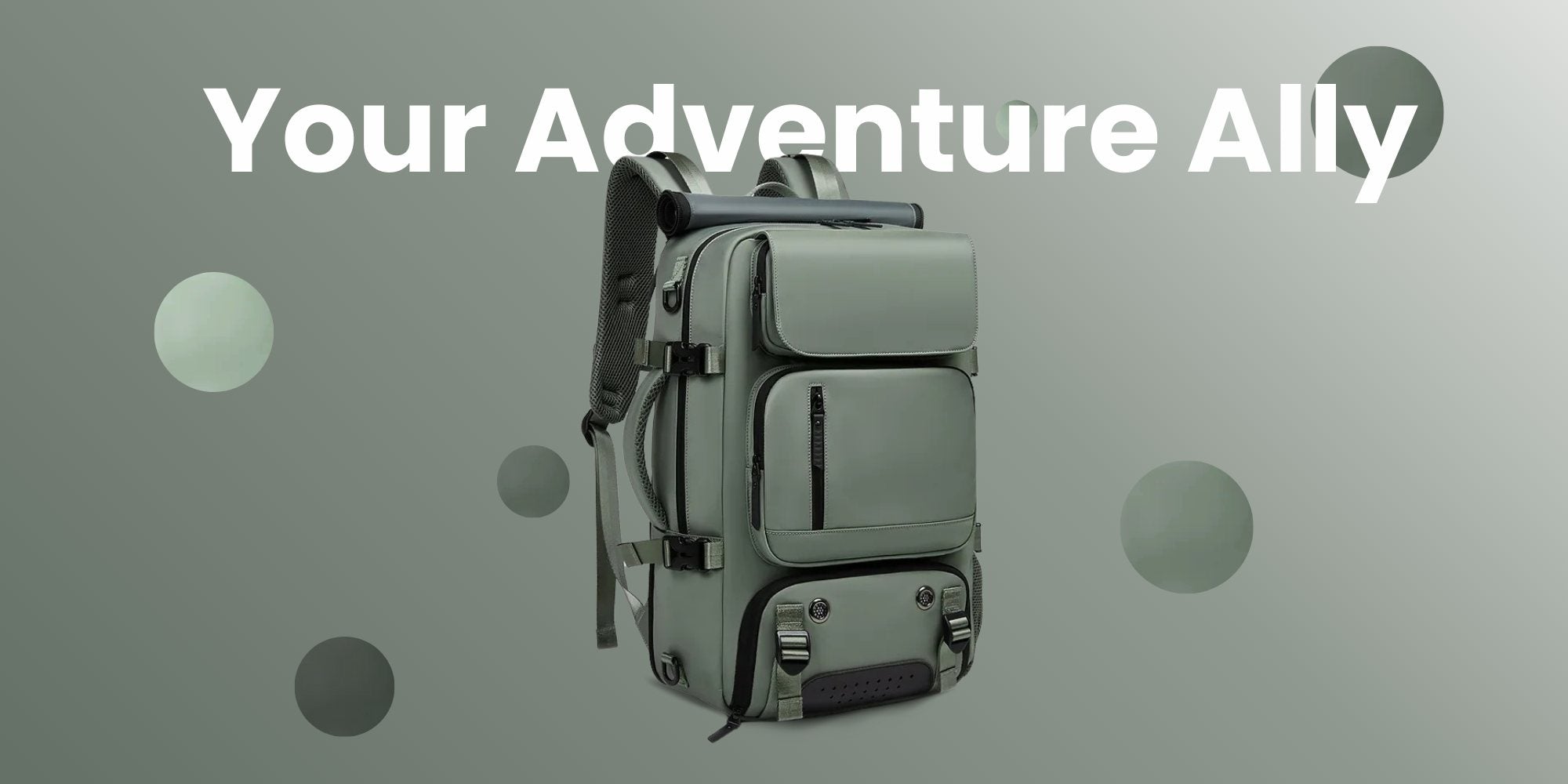
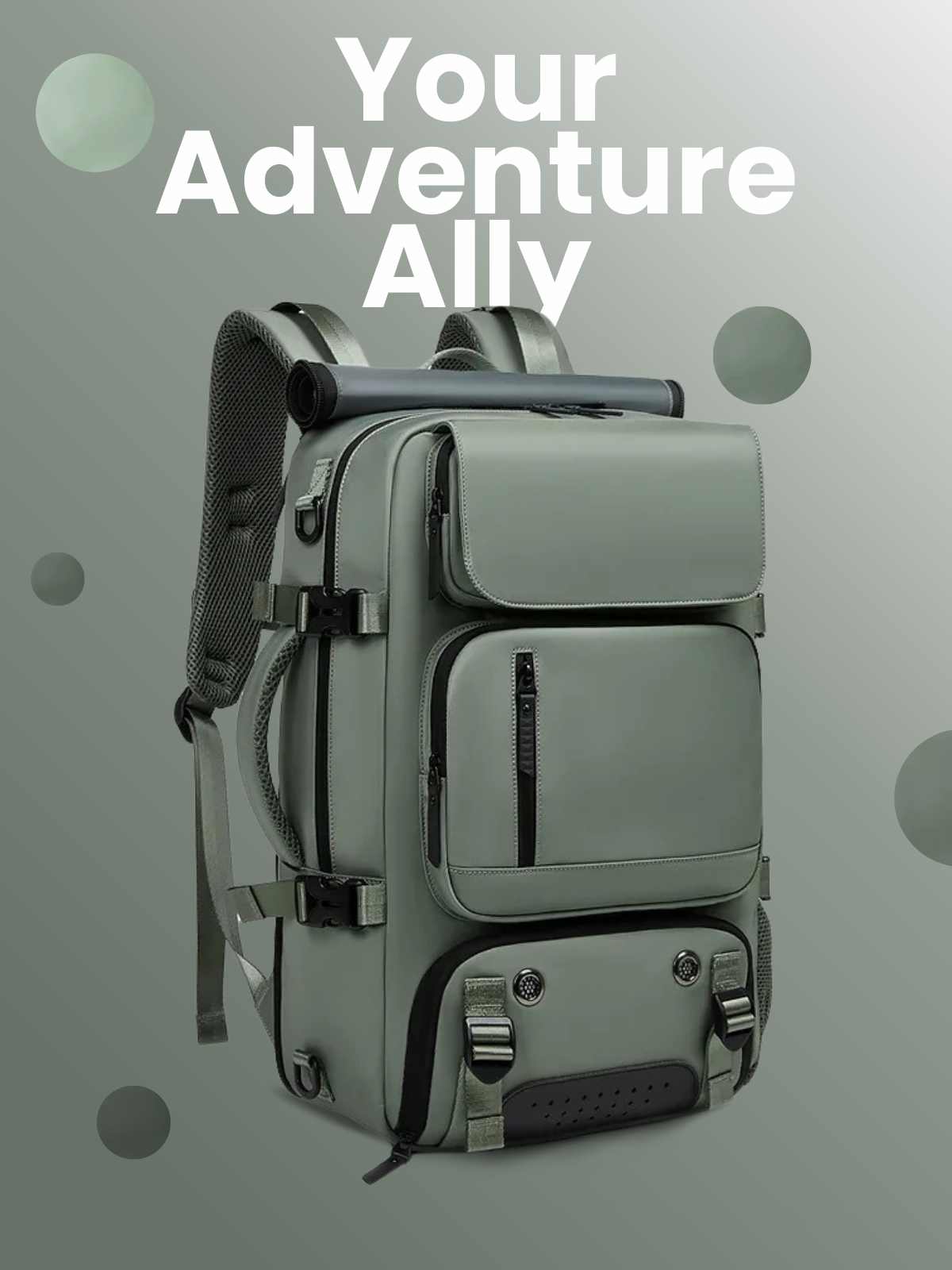
Cool Backpacks
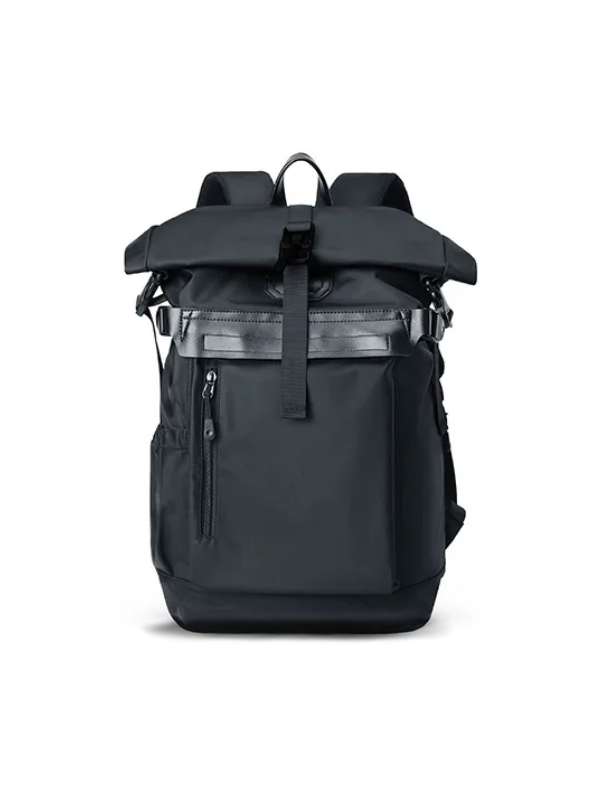
Backpacks For Every Adventure
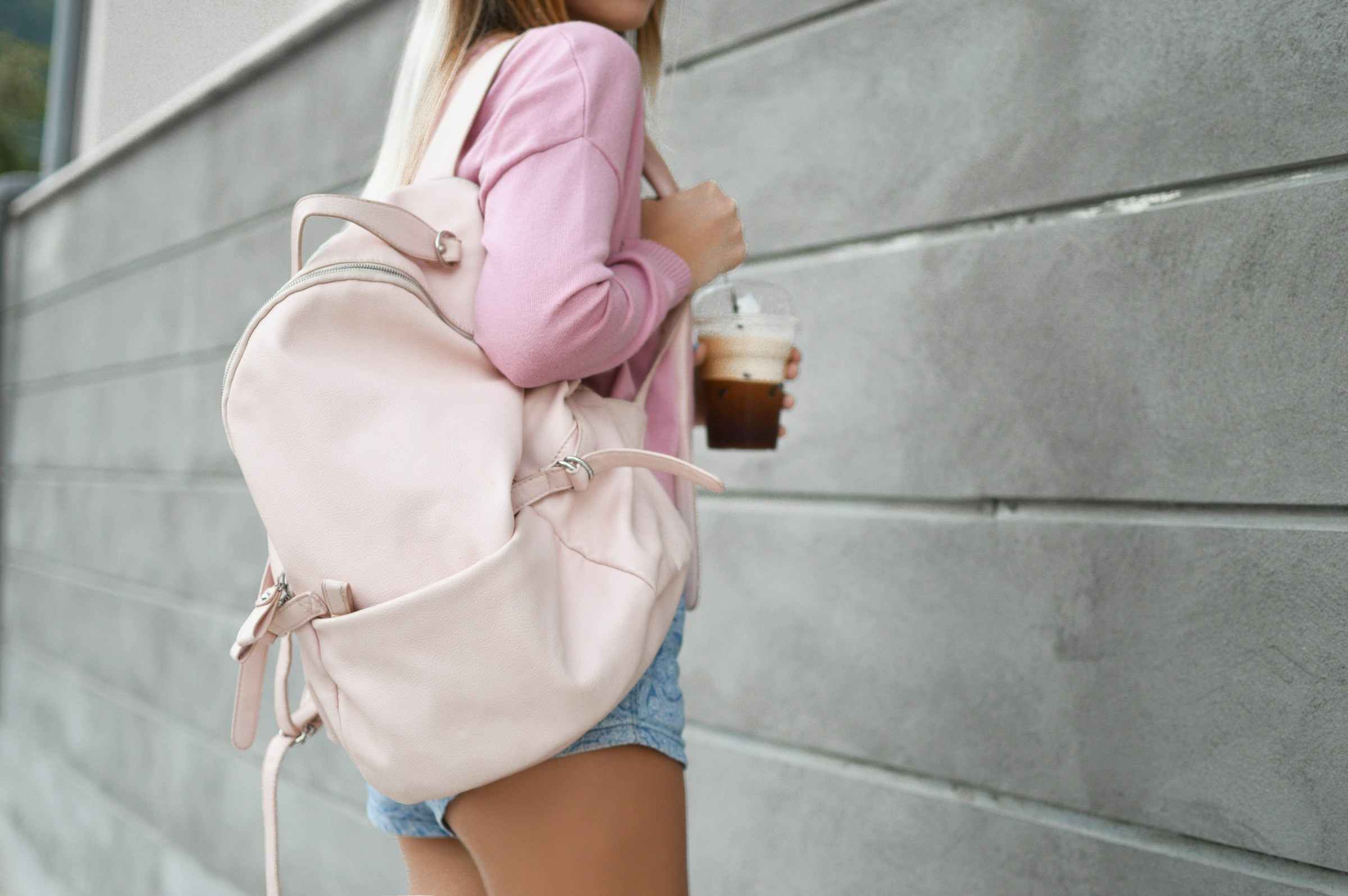
For urban explorers

...and world explorers
Best Backpacks
Your Favorites.
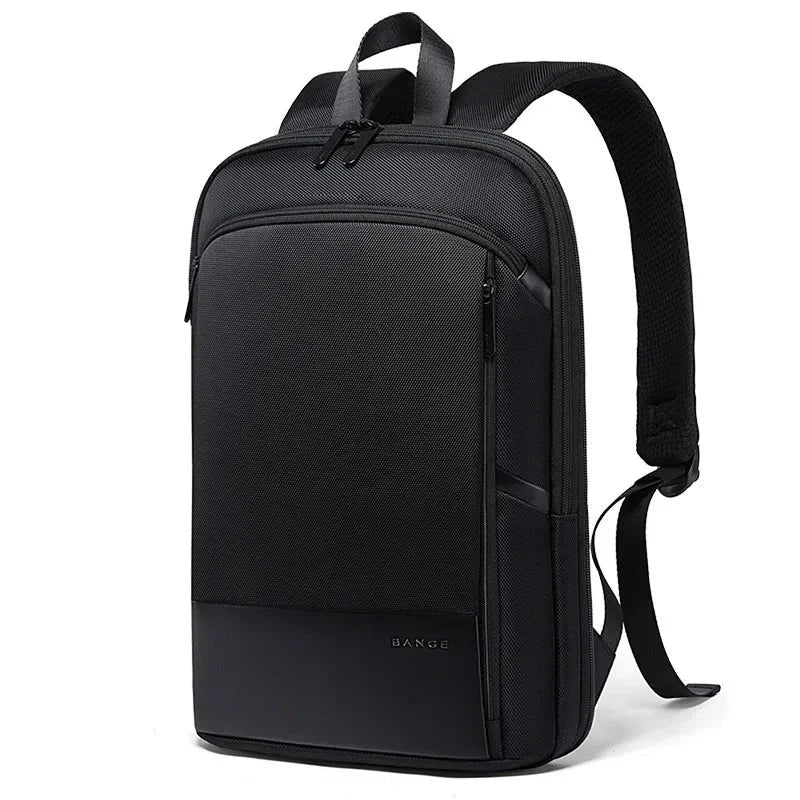
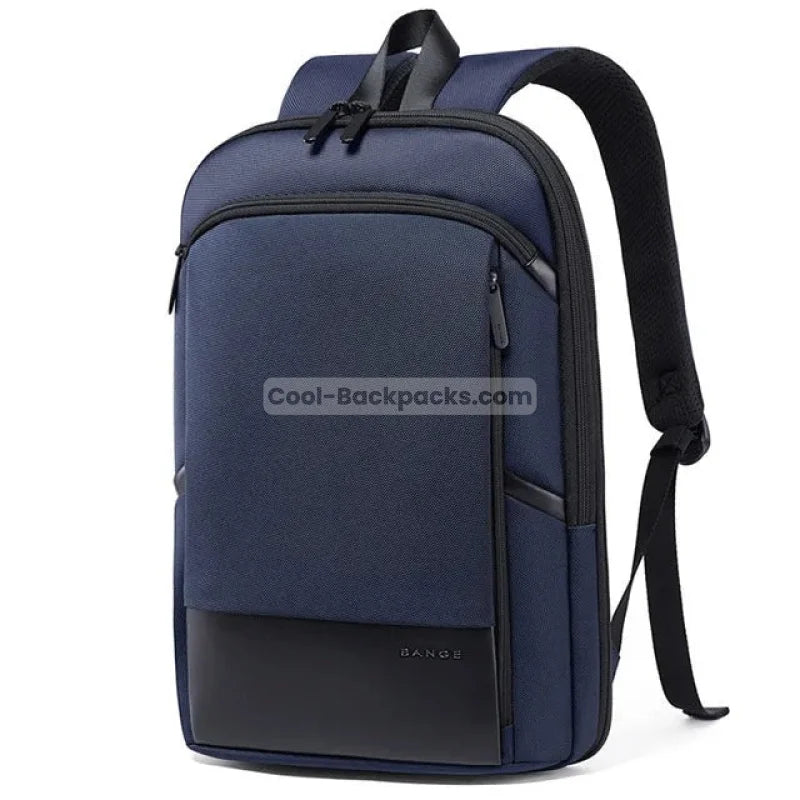
Small Travel Backpack
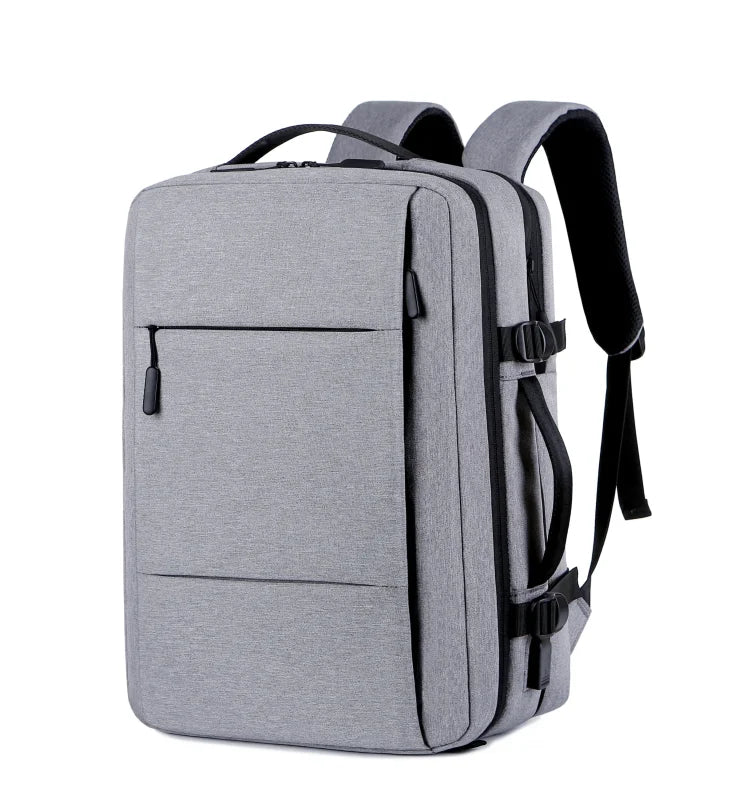
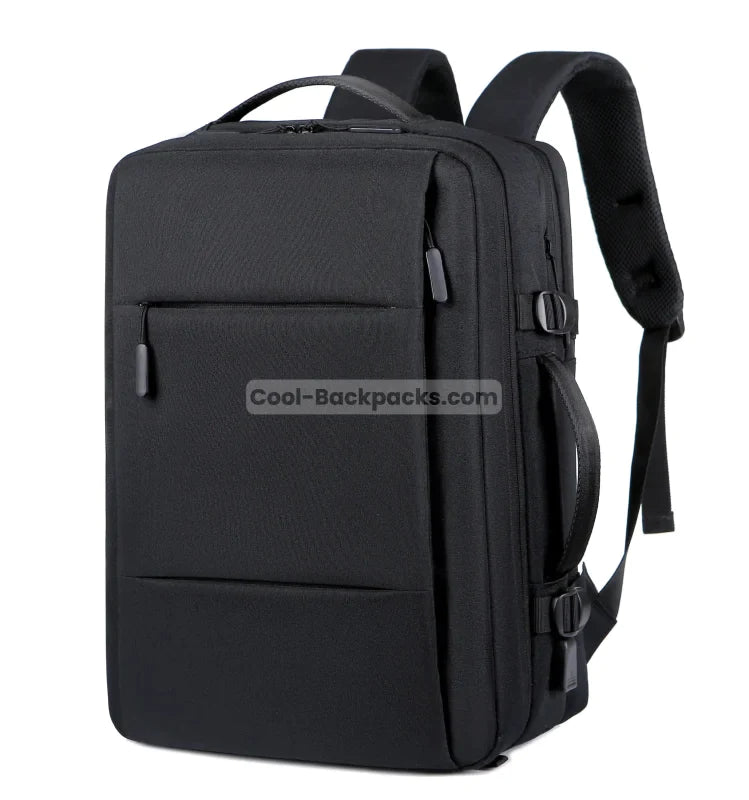
Carry On Travel Backpack
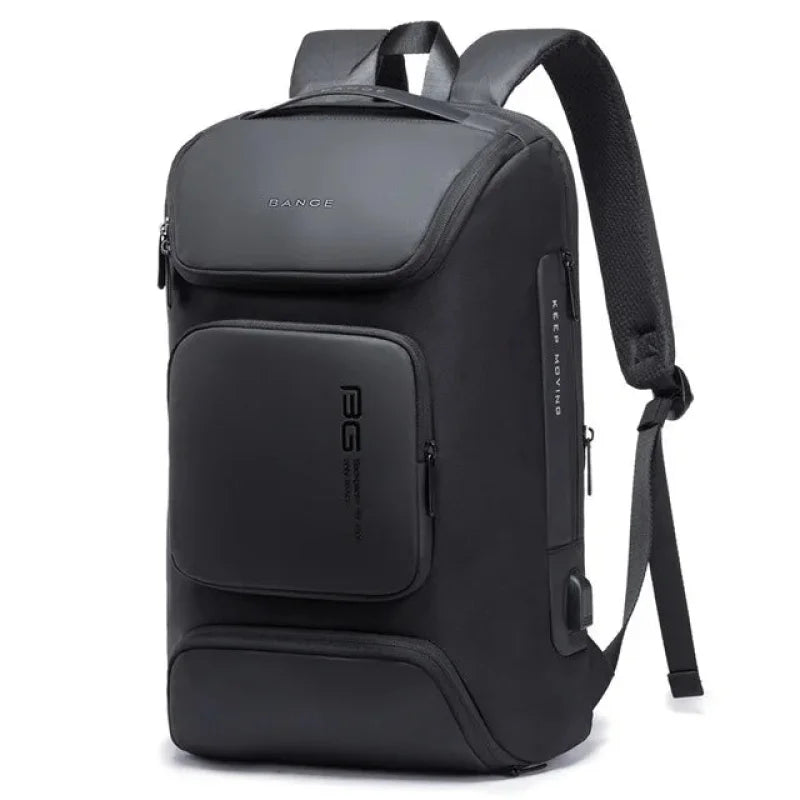
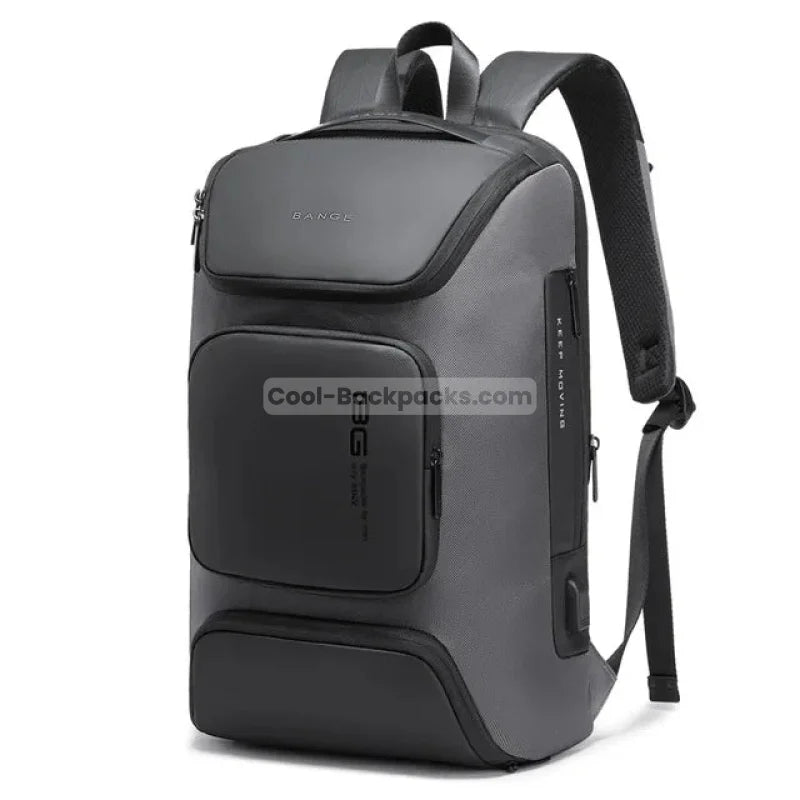
Large Travel Backpack
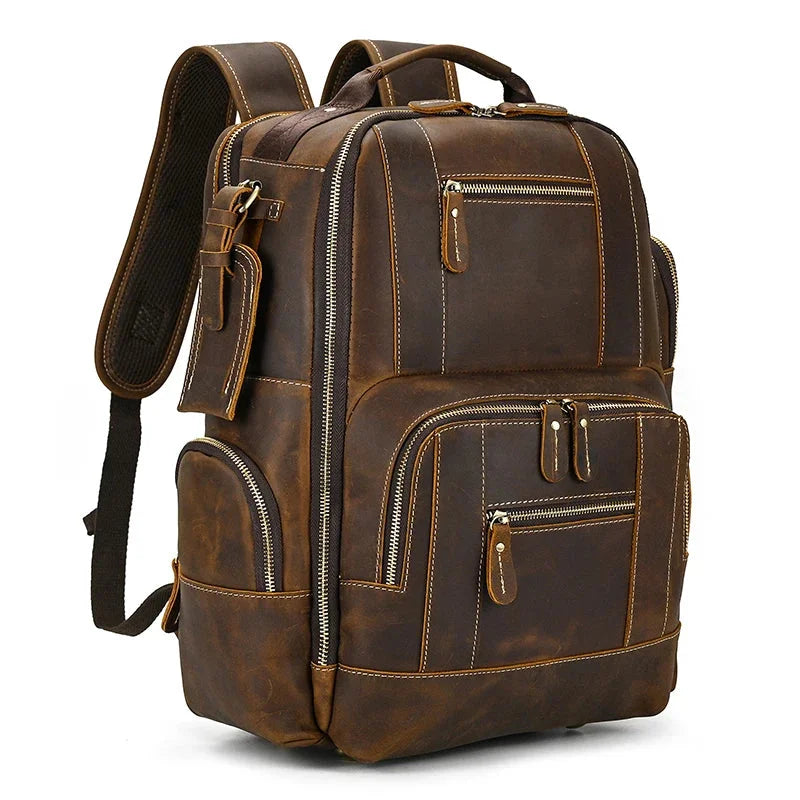
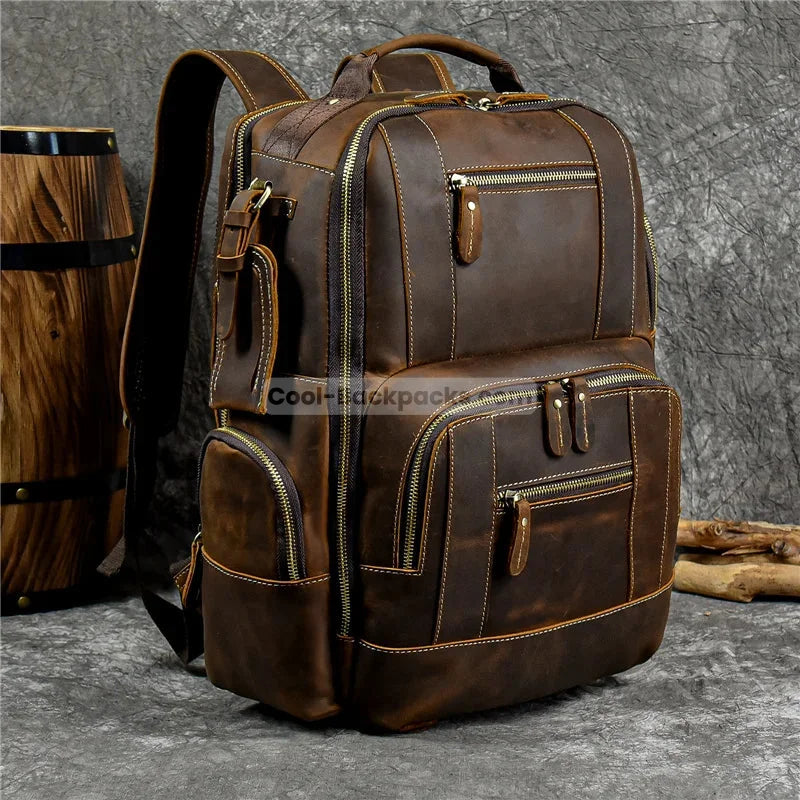
Leather Travel Backpack
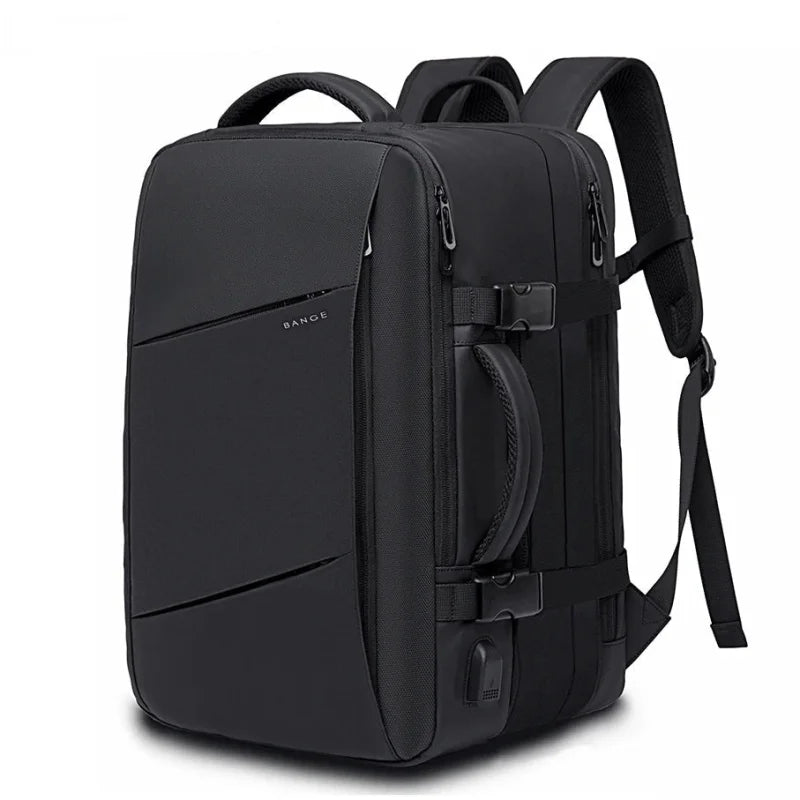
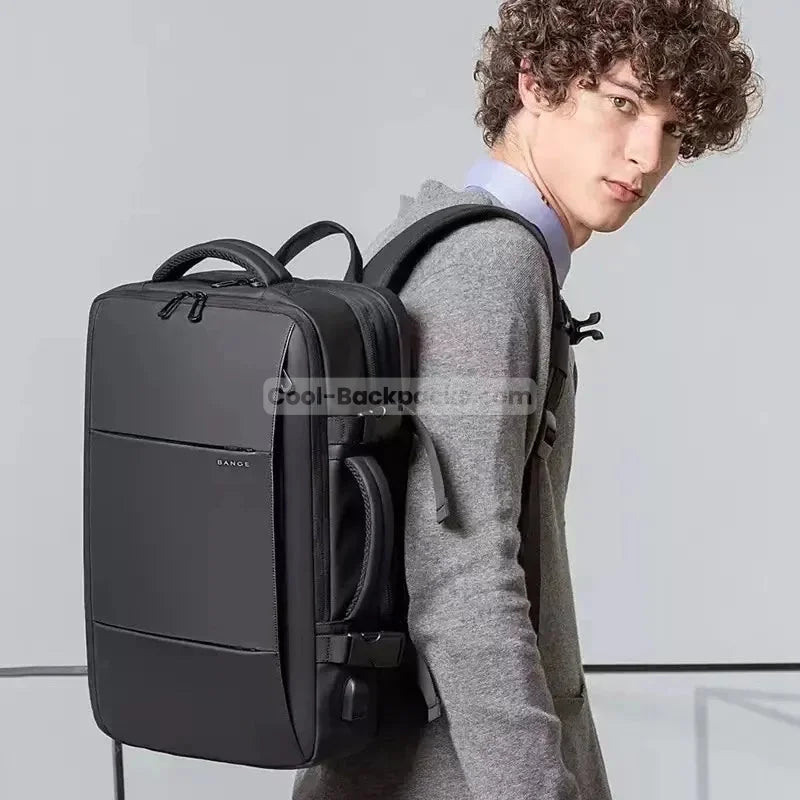
Black Travel Backpack
School Backpacks
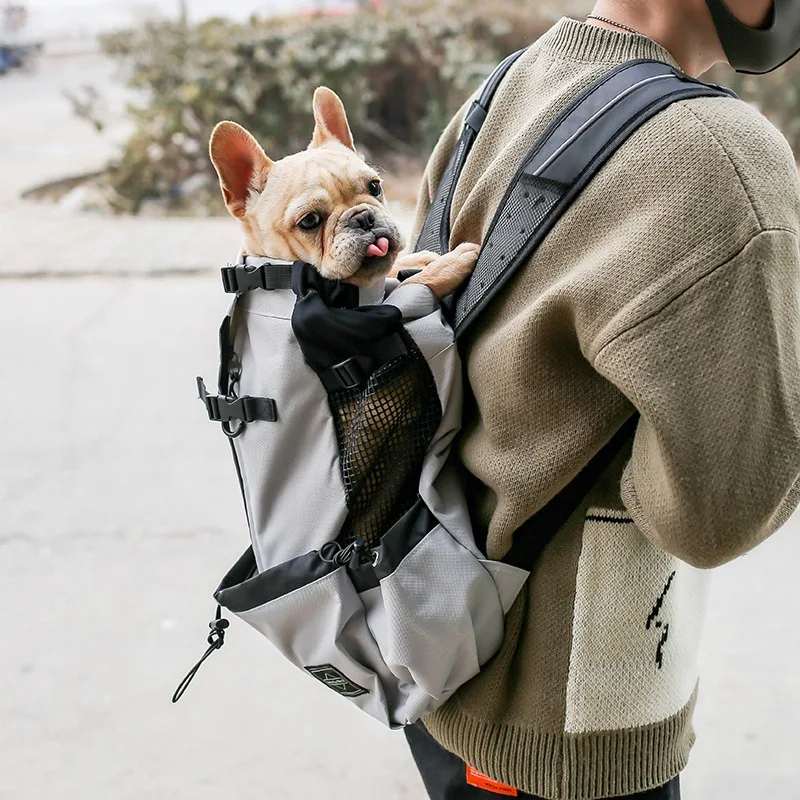
Backpacks For Our Furry Friends
+
Types of backpacks
Daypacks
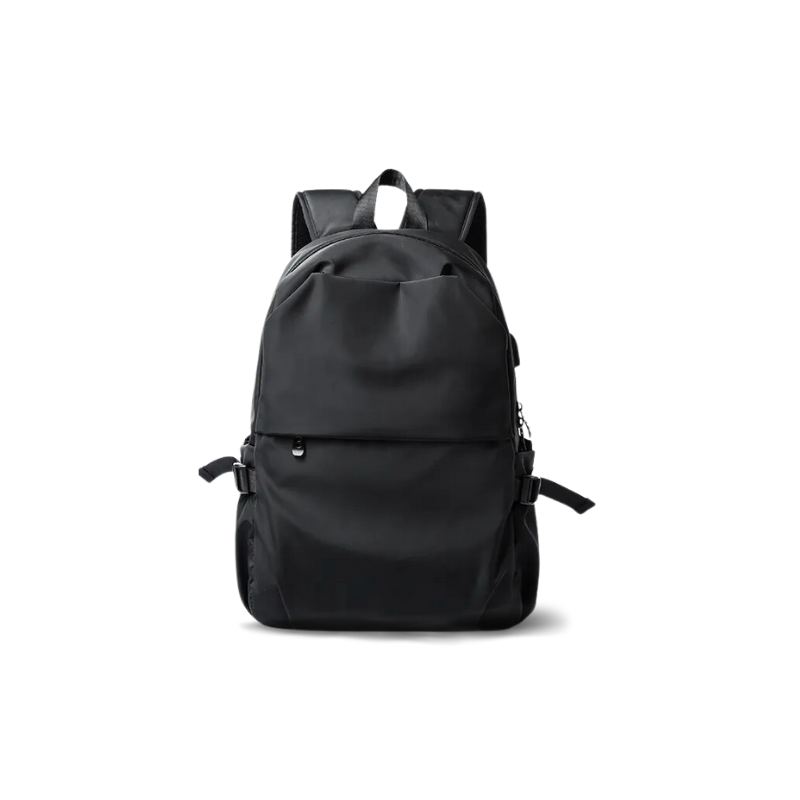
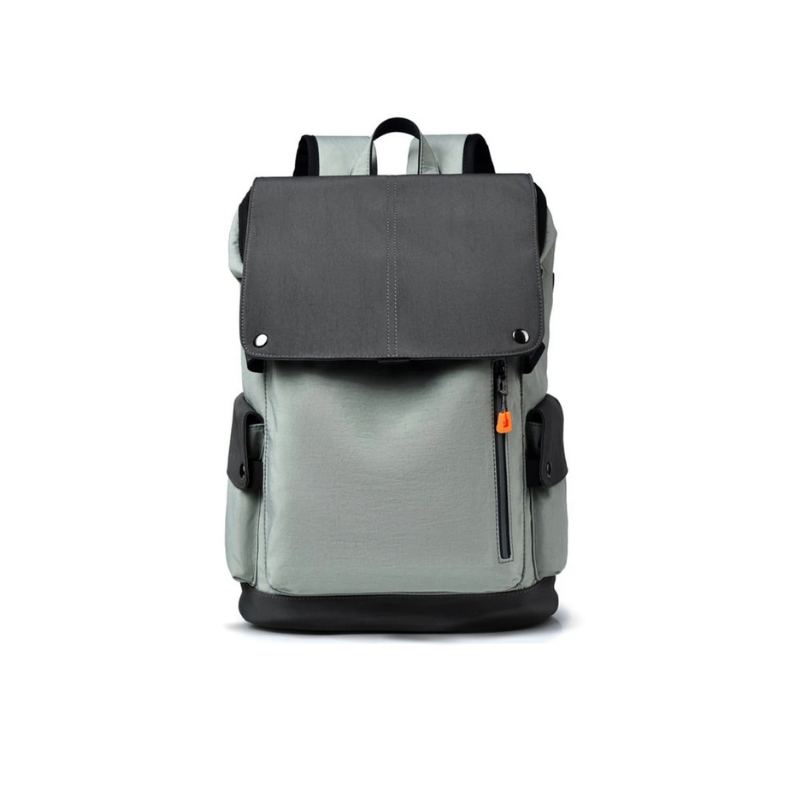
Daypacks are essential in the world of backpacks, offering a compact design with ample space for your daily items. Ideal for everyone from urban commuters to students and hikers on short trails, our selection of daypacks combines practicality with style. Featuring ergonomic designs for comfort and various fashionable looks, these daypacks ensure you carry your daily essentials with ease and flair.
Hiking Backpack
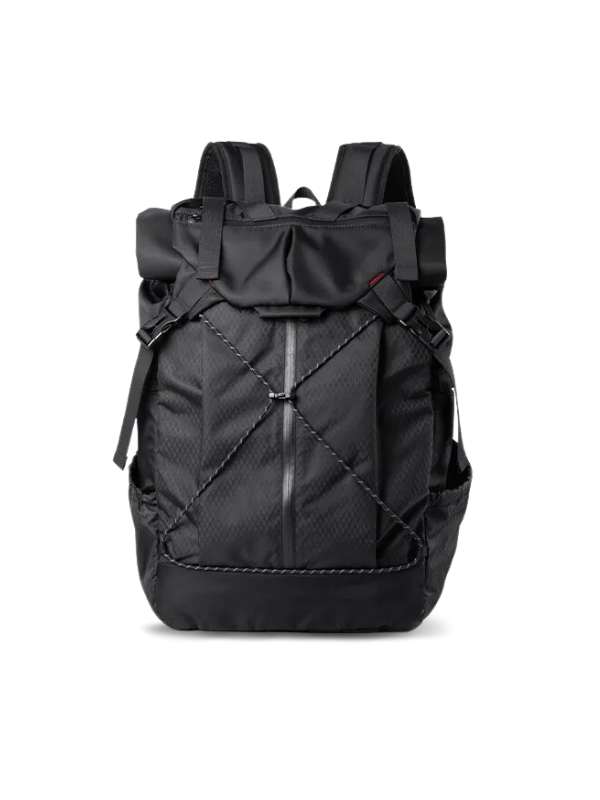
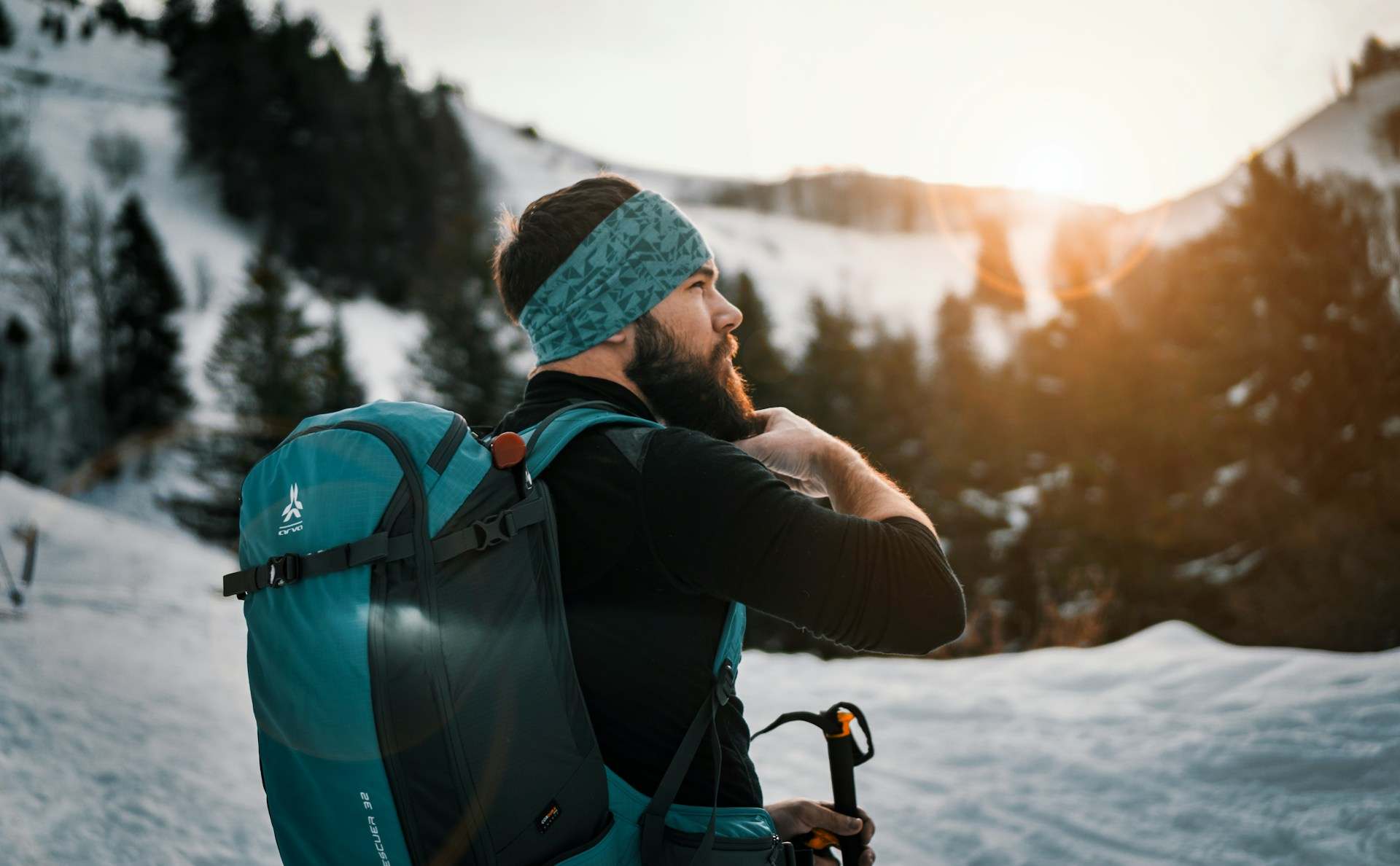
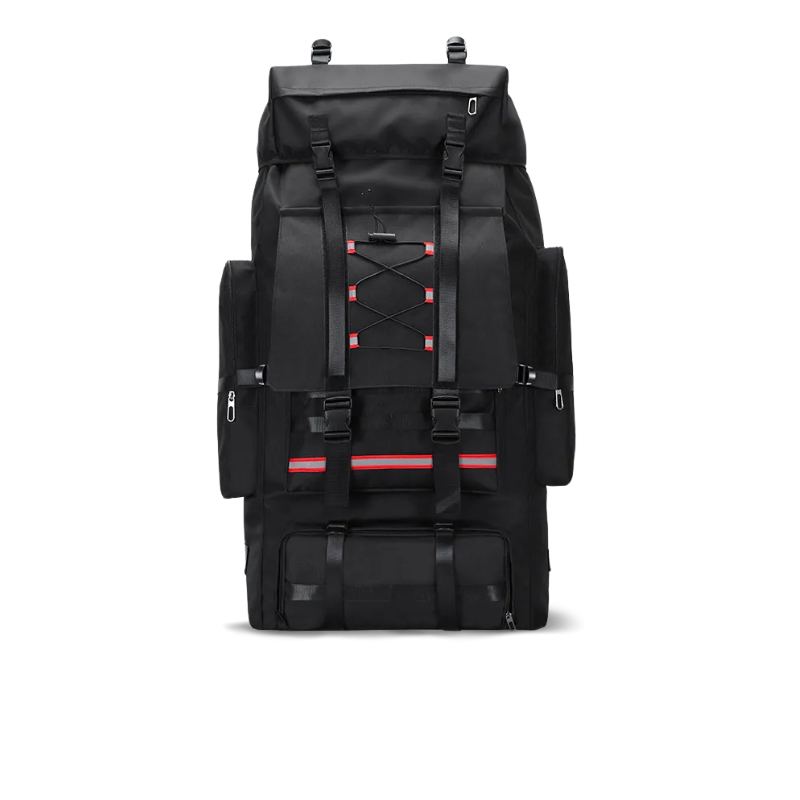
Our hiking backpacks are crafted for those who love to venture into the great outdoors. Equipped with features such as hydration slots, generous storage capacity, and tough, long-lasting materials, they’re engineered to handle the challenges of nature. Browse our assortment to discover a hiking backpack that’s as prepared for the wilderness adventure as you are.
Travel Backpack
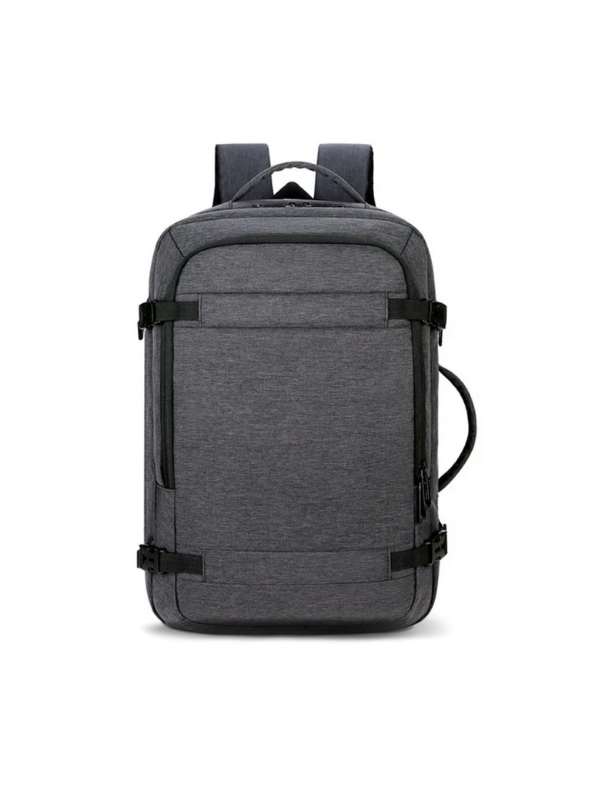
Travel can be demanding, but having the right backpack eases the journey. Our travel backpacks are designed for convenience and security, featuring lockable zippers, multiple compartments, and a lightweight build. Perfect for both short weekend escapes and longer journeys, they provide a blend of safety and practicality for every traveler.
Laptop Backpack
In this digital era, securing your electronic devices is crucial. Our laptop backpacks, with their cushioned compartments, sleek contours, and sturdy build, cater to both professionals and students. They merge utility with protection, ensuring your tech is safeguarded in style.
Messenger Bag
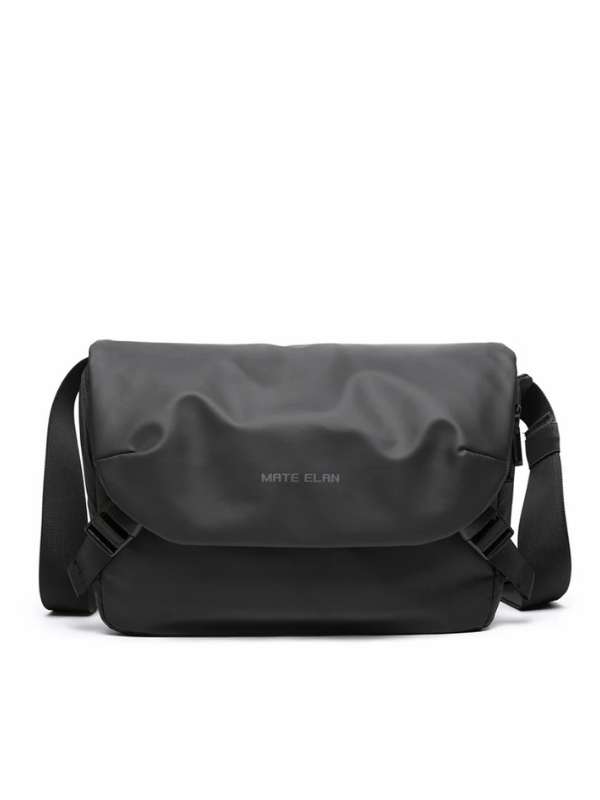
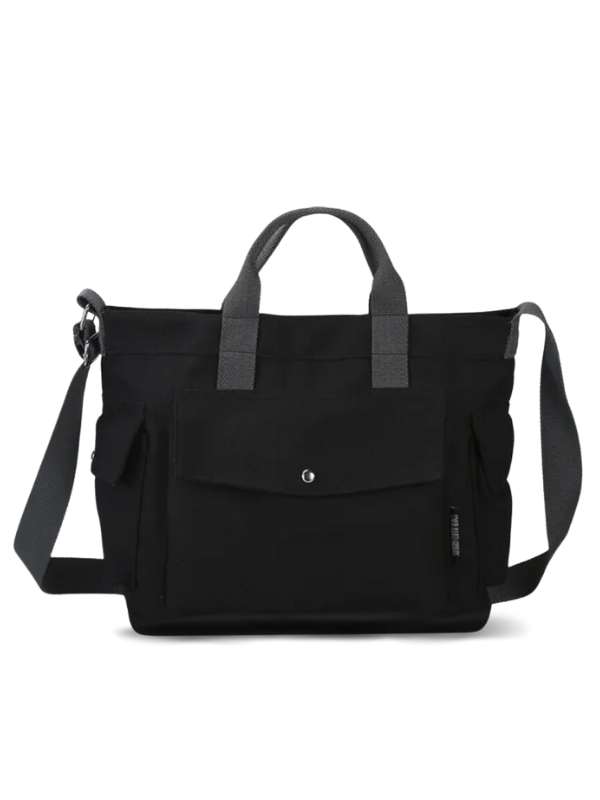
Messenger bags are the perfect mix of urban chic and practicality, favored by professionals and cyclists alike. Their unique cross-body strap and flap closure offer quick and easy access to your belongings. Our diverse range includes a variety of sizes and materials, addressing both aesthetics and functionality.
Functional Backpacks
Functional backpacks represent the pinnacle of versatility. Outfitted with numerous compartments and organizational pockets, they're ideal for those who carry diverse items. Whether it's for work, the gym, or a weekend getaway, these backpacks ensure everything stays orderly and within reach.
Rolling Backpack
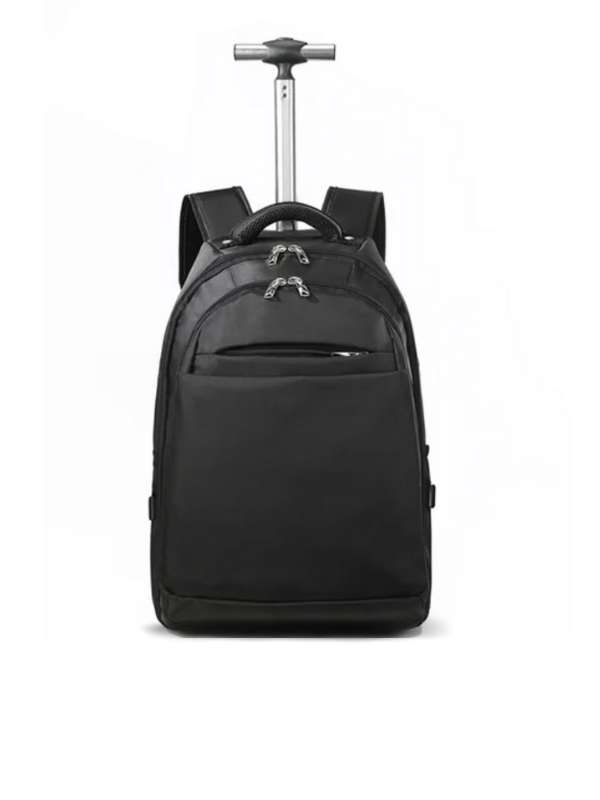
Rolling backpacks offer the dual benefits of a suitcase and the flexibility of a backpack. Great for both travelers and students, they lighten the load on your back and navigate easily through bustling airports and school corridors. Our selection features robust wheels and extendable handles for effortless travel.
Sling Backpack
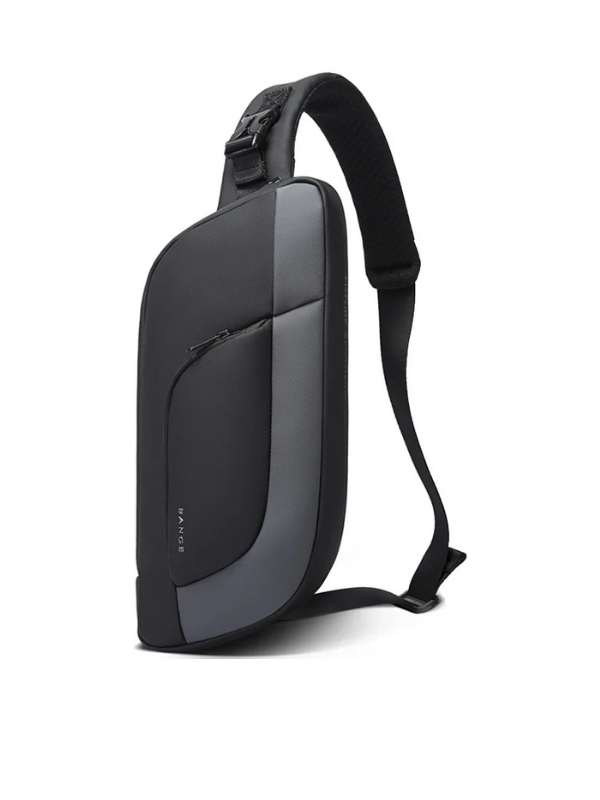
Sling backpacks present a lightweight, fashionable alternative to traditional backpacks. Worn over one shoulder, they are perfect for short trips or as a stylish accessory. Our range includes diverse designs and sizes, suitable for both casual and more formal settings.
School Backpack
School backpacks are designed to be tough, roomy, and comfortable. Our range of school backpacks comes in a variety of bright colors and patterns, equipped with sufficient compartments for books, tech devices, and snacks. They're built to endure the everyday school rush while ensuring comfort for young students.
Anti-Theft Backpack
In a world where security is increasingly important, our anti-theft backpacks are designed to safeguard your valuables. Featuring concealed zippers, RFID-blocking pockets, and robust materials, they're ideal for both daily commuters and travelers, blending peace of mind with stylish functionality.
Tote Backpack
Tote backpacks offer a stylish fusion of a tote's elegance and a backpack's practicality. Perfect for those who prefer an elegant aesthetic without sacrificing functionality, our tote backpacks come in various materials and designs, enhancing any ensemble.
Beach Backpack
Designed for fun beach days, our beach backpacks are made from light, water-resistant materials, perfect for carrying towels, sunscreen, and your favorite beach reads. With easy-to-clean interiors and external pockets for water bottles, these backpacks are as fashionable as they are functional, making a statement on the sand.
Animal Backpack
Animal backpacks add a playful and joyous touch, especially beloved by kids and those young at heart. Adorned with designs inspired by various animals, these backpacks are not just adorable but also practical, with sufficient space for essentials. Our store showcases an enchanting array of animal backpacks, ideal for school, outings, or simply as a delightful accessory.
Sports Backpack
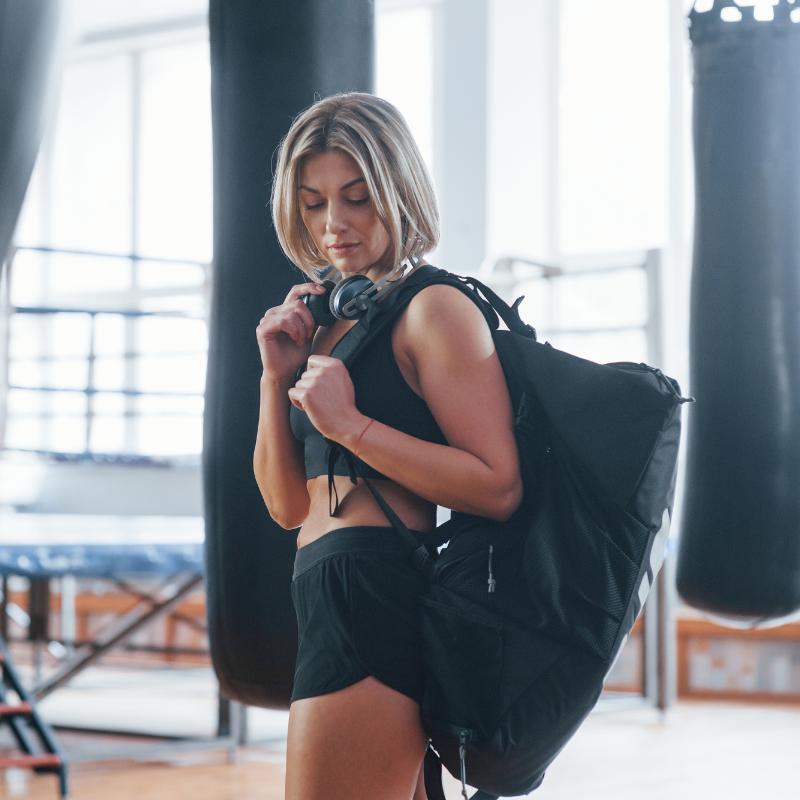
Tailored for your active lifestyle, our sports backpacks are perfect for gym sessions, team sports, or outdoor pursuits. They feature specialized compartments for sports equipment, footwear, and hydration bottles. The collection includes options that are both lightweight and durable, ensuring comfort and freedom of movement during your activities.
Convertible Backpack
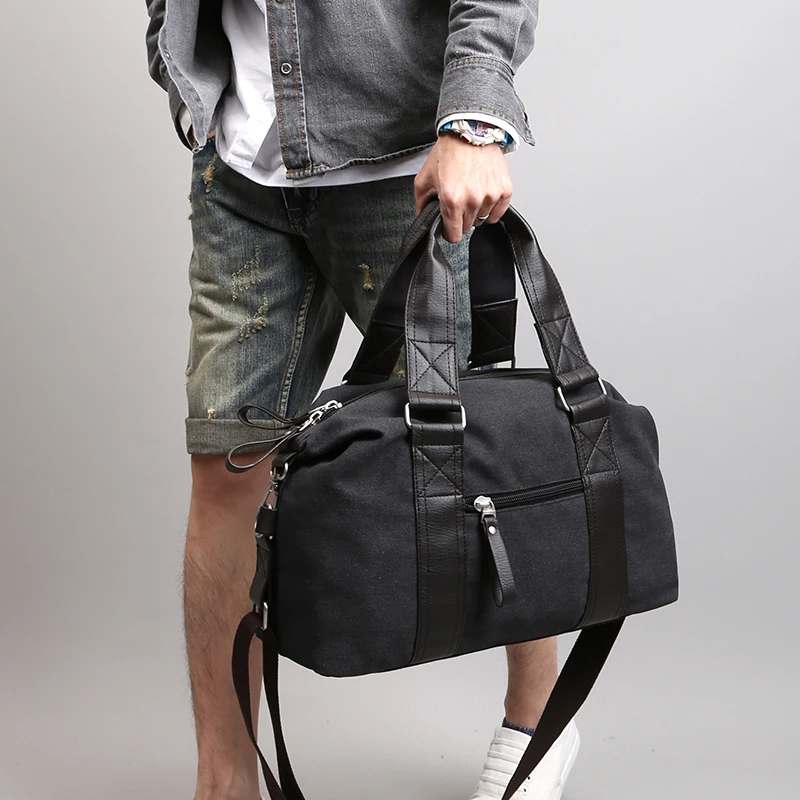
Convertible backpacks represent the ultimate in flexibility. Easily transitioning from a backpack to a shoulder bag, tote, or briefcase, they are a favorite among travelers and professionals who value multifunctional items. Our array of convertible backpacks melds style with practicality, offering a versatile choice for every occasion.Waterproof Backpack
Essential for both adventurers and urban commuters, our waterproof backpacks are built to resist water, snow, and accidental spills, keeping your belongings safe and dry. Available in various designs and sizes, these backpacks ensure that no adventure is hampered by weather conditions.
Military Backpack
Our military backpacks, known for their sturdiness and functional design, are made to withstand challenging environments. With robust materials, spacious storage, and modular features, they are perfect for camping, hiking, or tactical use. The military backpack collection offers authenticity and practicality for the most rigorous adventures.
Loungefly Backpack
Loungefly backpacks stand out with their unique designs and pop culture motifs, ideal for those looking to express their individuality. These backpacks combine whimsy, fashion, and utility. Our Loungefly range spans a broad array of designs, from timeless characters to modern icons, catering to diverse preferences.
Hardshell Backpack
Hardshell backpacks are designed to offer the utmost protection for your electronics and delicate items. With a rigid exterior, these backpacks safeguard your belongings from impact, pressure, and external elements. Ideal for tech enthusiasts, photographers, and frequent travelers, our hardshell backpacks are the protective fortress your equipment needs.
Work Backpack
Our work backpacks are specifically crafted for the modern-day professional. Balancing sophistication with practicality, they feature compartments for laptops, documents, and other work necessities. Made from premium materials, these backpacks offer both durability and style. With ergonomic designs and various styles ranging from minimalist to feature-rich options, there's a work backpack in our collection to suit every professional's preference.Drawstring Backpack
Drawstring backpacks are the epitome of simple convenience. Characterized by their easy-to-use closure and single main compartment, they are perfect for carrying gym attire, light shopping, or as a casual daypack. Our variety of drawstring backpacks is available in different materials and designs, offering a range of colors and patterns to match your personal style. These backpacks are the ideal solution for quick errands or relaxed outings, providing ease and versatility for your daily life.
Backpacks for Pets
We are delighted to offer a specialized selection of backpacks in our product range, tailored specifically for pets. Recognizing the joy and enthusiasm pet owners have for including their animal companions in their travels, we provide distinct backpacks designed for both cats and dogs.
Cat Bubble Backpack
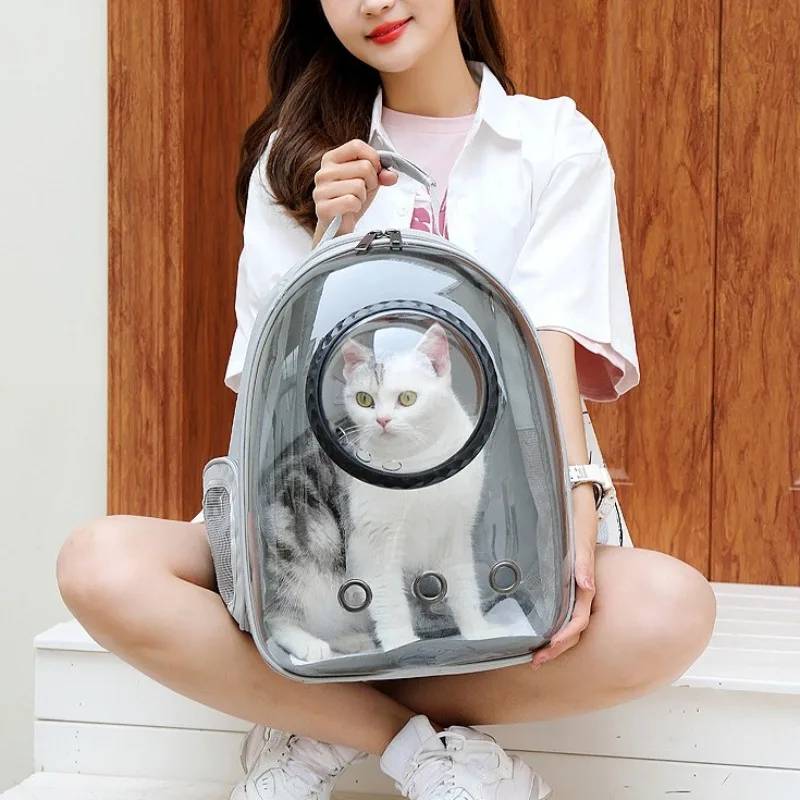
Our cat bubble backpacks stand out as an innovative and charming solution for cat owners who love to travel with their cats. These backpacks are equipped with a unique bubble window, giving your cat a safe and comfortable way to observe the world. Constructed with robust materials and focusing on the safety and comfort of your cat, these backpacks feature ventilated mesh panels, cozy bedding, and secure locking mechanisms. Ideal for various activities, from casual walks to vet visits, they ensure a pleasurable and relaxed experience for both you and your feline companion.
Dog Backpack
Our dog backpacks are crafted to enhance the experience of outdoor activities and walks with your dog. These practical backpacks enable dogs to carry their essentials, such as water, snacks, and toys, distributing the weight evenly for maximum comfort. Tailored to accommodate different breeds, they are constructed from resilient materials to endure various outdoor environments. With features like adjustable straps, substantial padding, and breathable material, these backpacks ensure that your canine friend is comfortable and happy during your shared adventures.
Customized Backpack
Each adventurer is unique, and so should be their backpack. We offer customized backpack solutions, allowing personalization in features like color, storage capacity, and added accessories. This way, you get a backpack that’s exclusively yours, ideally suited for your specific adventures.
Your Ideal Backpack at Our StoreOur store’s extensive collection ensures that no matter your lifestyle or needs, we have a backpack that fits perfectly. From the playful allure of animal backpacks to the rugged durability of military and hardshell options, our range caters to every requirement and style preference.